
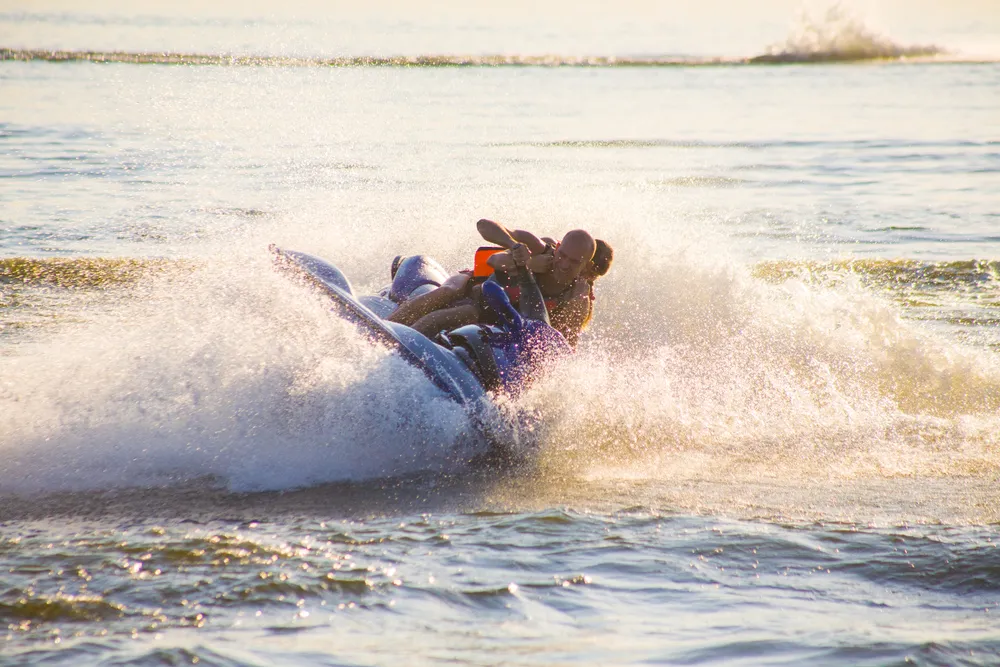
Jet skiing is exhilarating when the water is calm, but conditions don’t always stay perfect. Wind can quickly transform smooth waves into choppy, unpredictable water — especially on larger lakes like Lake Simcoe and Lake Ontario. Knowing how to ride safely in rough conditions is a skill every rider should learn, whether you’re a beginner or experienced enthusiast.
If you’re planning an adventure using jet ski rental in Toronto and Lake Simcoe, understanding how to handle windy conditions can make the difference between a stressful ride and a safe, enjoyable one.
🌬 Why Wind Changes Everything on the Water
Wind impacts jet skiing more than many riders expect. As wind speeds increase, you’ll notice:
-
Short, steep waves forming quickly
-
Reduced visibility from spray
-
Stronger resistance when turning
-
More physical fatigue from balancing
Large open areas like Lake Simcoe are especially prone to changing conditions because wind has long distances to build wave energy.
🚤 1. Check Conditions Before You Ride
The best way to stay safe in rough water is to avoid surprises.
Before launching:
-
Check wind speed (ideally under 20 km/h for beginners)
-
Look for sudden weather changes
-
Monitor wave height forecasts
-
Ask local riders or rental staff about conditions
Many people booking jet ski rental in Toronto and Lake Simcoe underestimate afternoon wind increases. Morning rides are often calmer and safer.
🧭 2. Adjust Your Riding Style
When water gets rough, your normal riding habits need to change.
✔ Slow down slightly
High speeds can cause hard impacts when hitting waves.
✔ Use steady throttle control
Avoid sudden acceleration or braking which can destabilize the jet ski.
✔ Ride at an angle to waves
Approaching waves diagonally reduces impact and keeps the ride smoother.
✔ Bend your knees
Let your legs absorb shock instead of your back.
Think of your body as suspension — stay loose, not stiff.
🌊 3. Learn How to Read the Water
Experienced riders don’t just react to waves — they anticipate them.
Watch for:
-
Darker patches indicating stronger wind zones
-
Whitecaps (breaking waves) signaling rough water
-
Boat wakes mixing with wind chop
Choosing the right path can dramatically improve comfort and safety.
⚓ 4. Stay Closer to Shore (But Follow Speed Rules)
If conditions get rough:
-
Move toward protected shoreline areas
-
Look for bays or natural wind barriers
-
Avoid open-water crossings
Just remember Ontario regulations: keep speed low within 30 metres of shore.
Many riders using jet ski rental in Toronto and Lake Simcoe find calmer water along certain shorelines when the center of the lake becomes rough.
🛟 5. Secure Yourself and Your Gear
Windy conditions increase the chances of sudden impacts.
Make sure:
-
Your life jacket fits snugly
-
Safety lanyard is attached securely
-
Loose items are stored in waterproof compartments
-
Cameras and phones are mounted safely
A rough ride can send unsecured items flying.
🔁 6. Know What to Do If You Fall Off
Rough water increases the likelihood of falling.
If you fall:
-
Stay calm and locate your jet ski
-
Approach from the rear only
-
Use the boarding step or handle
-
Reboard slowly to maintain balance
Your life jacket and kill switch are critical in these situations.
🚨 7. Know When to Turn Back
One of the smartest skills on the water is recognizing when conditions are no longer safe.
Signs it’s time to return:
-
Waves consistently hitting your chest
-
Difficulty steering
-
Extreme fatigue
-
Strong wind pushing you off course
There’s no shame in ending a ride early — safety always comes first.
🌅 8. Choose the Right Time of Day
Wind patterns around Toronto and Lake Simcoe often follow a daily cycle:
-
Morning: Usually calmer
-
Afternoon: Wind increases
-
Evening: Can calm down again
Booking early sessions through jet ski rental in Toronto and Lake Simcoe often gives you the smoothest experience, especially as a beginner.
🧠 9. Stay Relaxed and Focused
Rough water can feel intimidating, but tension makes handling worse.
Tips:
-
Keep your arms loose
-
Look ahead, not directly at each wave
-
Maintain steady breathing
-
Focus on rhythm instead of fighting the water
Confidence grows quickly once you understand how the jet ski responds.
🌊 Final Thoughts
Windy conditions are part of real-world jet skiing, and learning how to handle them safely makes you a stronger, more confident rider. With proper preparation, adjusted riding techniques, and awareness of changing conditions, rough water becomes manageable — even enjoyable.
Whether you’re exploring open water or trying your first adventure with jet ski rental in Toronto and Lake Simcoe, knowing how to stay safe in wind and waves ensures every ride ends with a smile instead of stress.
Ride smart, stay aware, and respect the water.